

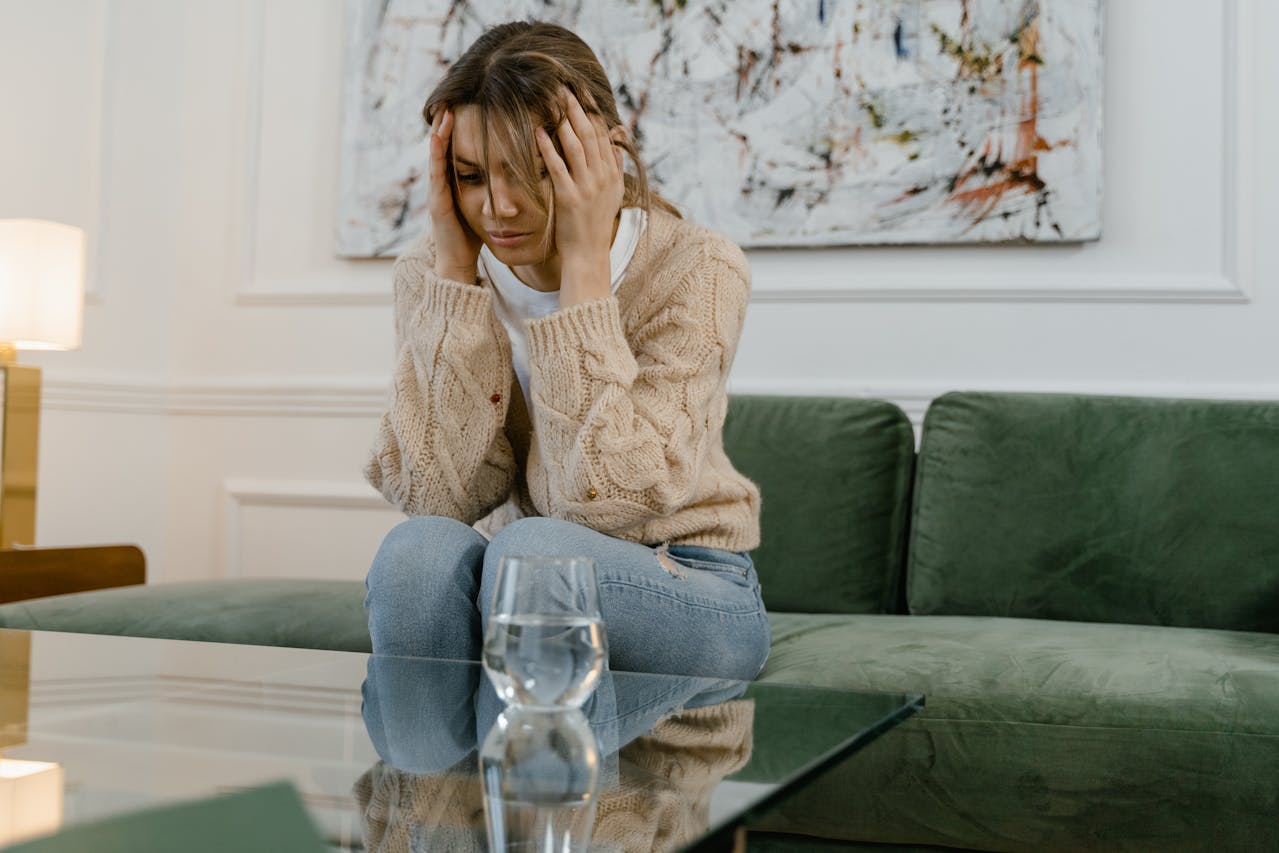
The anxiety we all experience, in the face of the unknown, is a biological, normal reaction. Its purpose is to signal danger to us and to help prepare the body for a fight or flight response.
However, this state becomes problematic when it fails to return to baseline after a threat has passed, it is of such a high level it interferes with everyday living, or it comes about for seemingly no reason at all.
Although medical interventions such as therapies and drugs are important for many with chronic anxiety and it may seem that therapy is the only route, there are a number of research-backed remedies that we can try ourselves at home to help with reducing anxiety levels.
Exercising for Anxiety
The most researched of natural anxiety reducing methods. Taking part in physical activity is linked to the release of endorphins and other feel-good neurotransmitters, as well as taking focus away from the source of worry and anxiety.
Active individuals are shown to be less likely to suffer high anxiety than a sedentary person, and even short amounts of activity in the form of moderate aerobic exercise, for example a brisk walk or bicycle ride can have a pronounced calming effect on the nervous system.
The effect of moving cannot only be seen in an awareness shift. Physiological, through physical activity the brain is able to send out certain chemicals, such as serotonin and gamma-aminobutyric acid (GABA) that increase well-being and alleviate tightness of the body. Both immediate tension relief and stress resilience are maintained by having more stable brain chemistry.
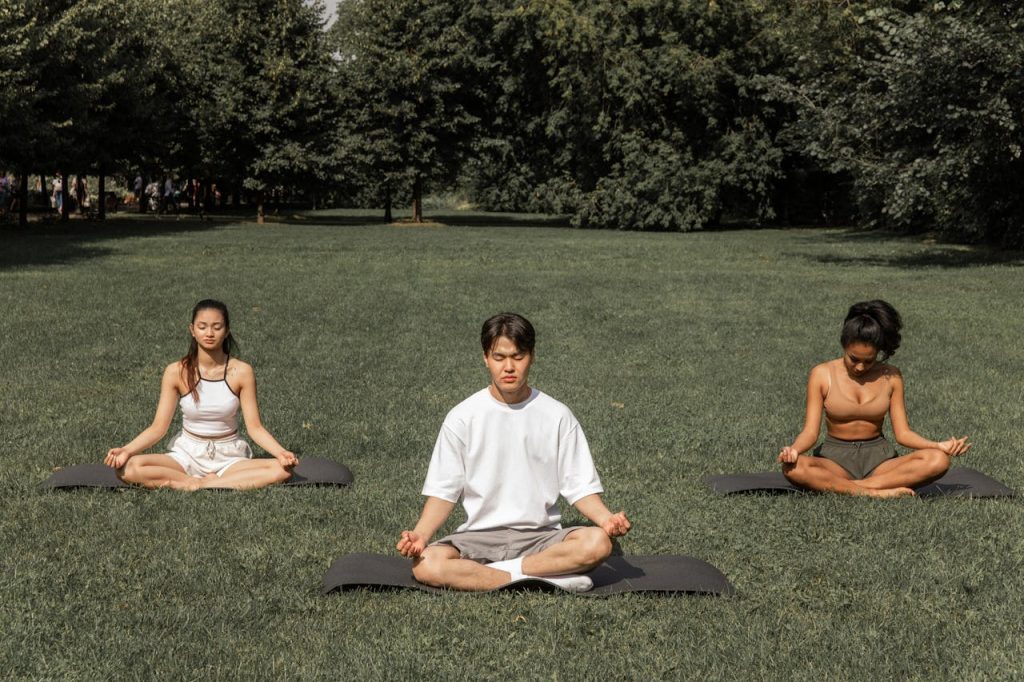
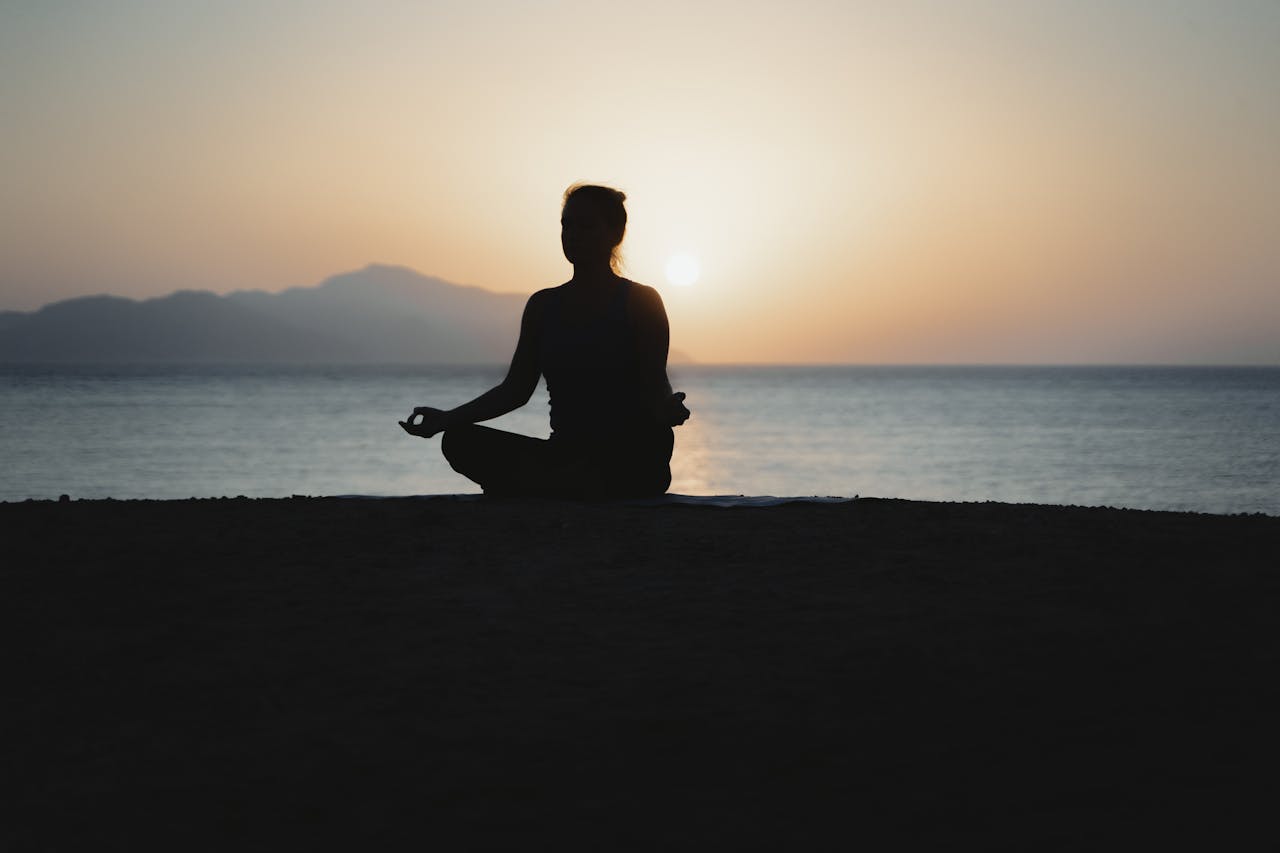
In psychological studies there has also been considerable empirical support for mindfulness and meditation as self regulating techniques in managing anxiety.
They focus on allowing a person to notice their thoughts and physical experiences without judgment. In this state it appears there is more emotional distance from stressful experiences. There is also evidence suggesting that mindfulness interventions alter how the brain reacts to stress by developing neural connections that help manage emotion and reducing patterns of worry.
Deep breathing exercises work on both a psychological and physical level. Anxiety causes shallow rapid breathing, which can set off the body’s stress response.
Performing slow, deep breaths causes the parasympathetic nervous system, the component of the nervous system related to relaxation, to kick in, thereby lowering the heart rate and relaxing the body. Studies involving diaphragmatic breathing have shown a decrease in anxiety symptoms, and this technique can be performed during stressful times or as a daily ritual.
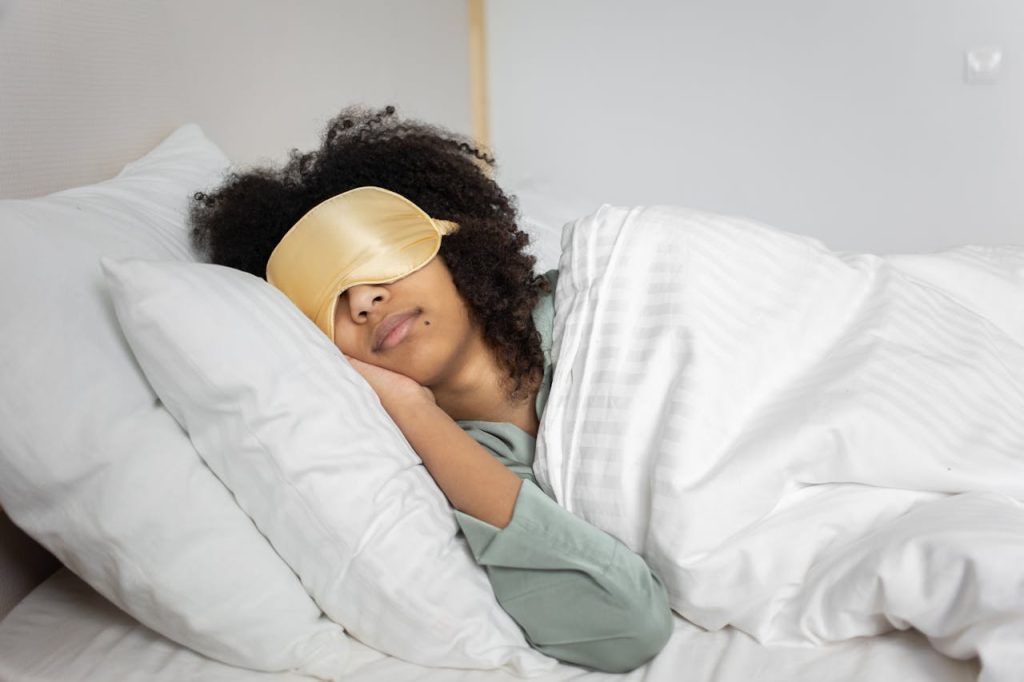
As the brain relies heavily on sleep for emotional regulation, lack of it could trigger increased anxiety symptoms. Lack of restful sleep over an extended period hinders the brain’s stress response mechanism and may cause the individual to worry or feel irritable more often.
Good sleep hygiene – having regular sleep and wake times, maintaining an environment conducive to sleep, and not consuming substances such as caffeine before bed – aids the recovery mechanisms of the nervous system, which may decrease symptoms of anxiety.
Diet and Nutrition
Diet and nutrition also influence anxiety. While no single food acts as a cure‑all, research suggests that eating a balanced, nutrient‑rich diet can support brain function and help stabilize mood.
Foods that are high in natural antioxidants, healthy fats such as omega‑3 fatty acids, and essential vitamins and minerals play roles in neurotransmitter production and inflammation control, both of which affect emotional wellbeing.
Conversely, high amounts of processed foods, sugar, and excessive caffeine have been associated with increases in anxious feelings, and reducing these can contribute to calmer overall functioning.
Herbal supplements
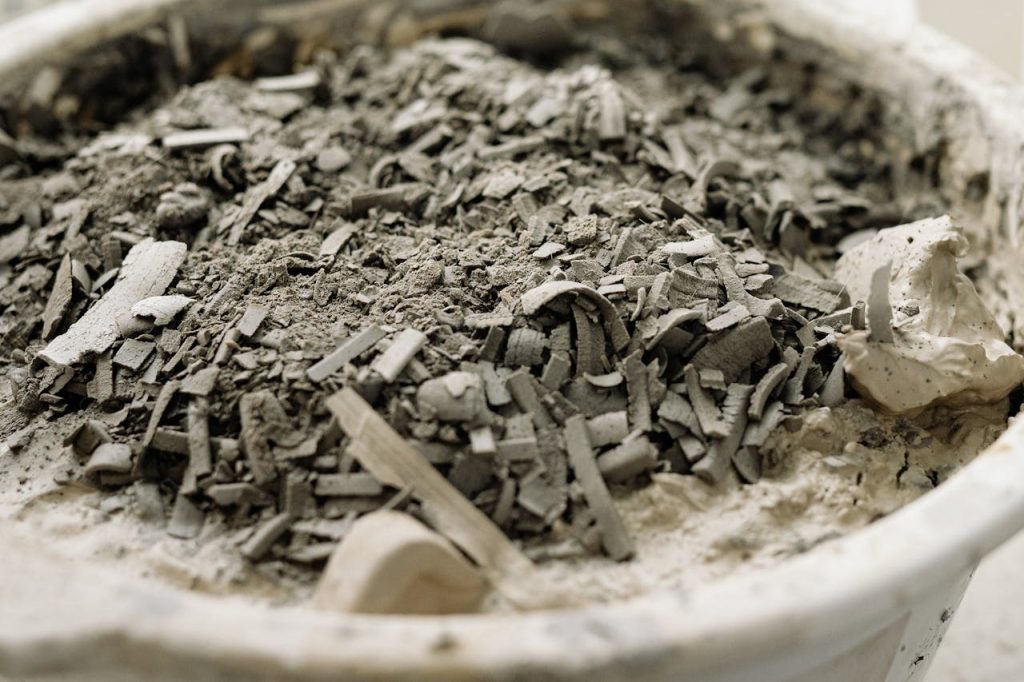
Another method which some have chosen as a way to find natural relief from their anxiety, is to use herbs. Chamomile has shown some potential to provide these benefits; a clinical trial in 2016 discovered that people taking chamomile in clinical settings seemed to exhibit some decrease in anxiety.
This effect is theorized to be from chamomile’s binding to the brain receptors responsible for producing relaxation. Other supplements that are being evaluated for their therapeutic benefits include ashwagandha, an adaptogen typically associated with balancing the bodies stress response (but as with all supplements people should first consult with a doctor).
In addition to personal behaviors, one’s lifestyle choices can influence overall well-being. Humans have evolved to be social beings, and social support and connection are inherently soothing. Positive social interaction can be a signal to the nervous system that there is safety in one’s environment and reduce ongoing nervous system arousal which occurs with anxiety.
Spending time in nature has also been linked to improved mental health. Research has shown that time in natural environments reduced ruminative thought processes, a significant factor in the maintenance of anxiety, and also decreased levels of stress hormones.
CBT For Anxiety

It’s important to acknowledge that natural approaches are not a substitute for professional psychological care when anxiety is severe, persistent, or significantly impairs daily functioning. For many people, combining natural strategies with structured therapies such as cognitive behavioural therapy (CBT) yields the best outcomes.
Therapy helps identify and modify underlying thoughts and behaviours that sustain anxiety, while natural methods support overall emotional regulation and quality of life.
Nevertheless, understanding how these natural methods work and incorporating them into daily life can give people a sense of agency over their mental health.
Whether through movement, mindful awareness, improving sleep, or nourishing the body, these practices offer accessible ways to support the nervous system and promote calm.
Natural anti‑anxiety strategies empower individuals not only to manage symptoms but also to develop a sustainable foundation for emotional resilience and balance.



Leave a Reply